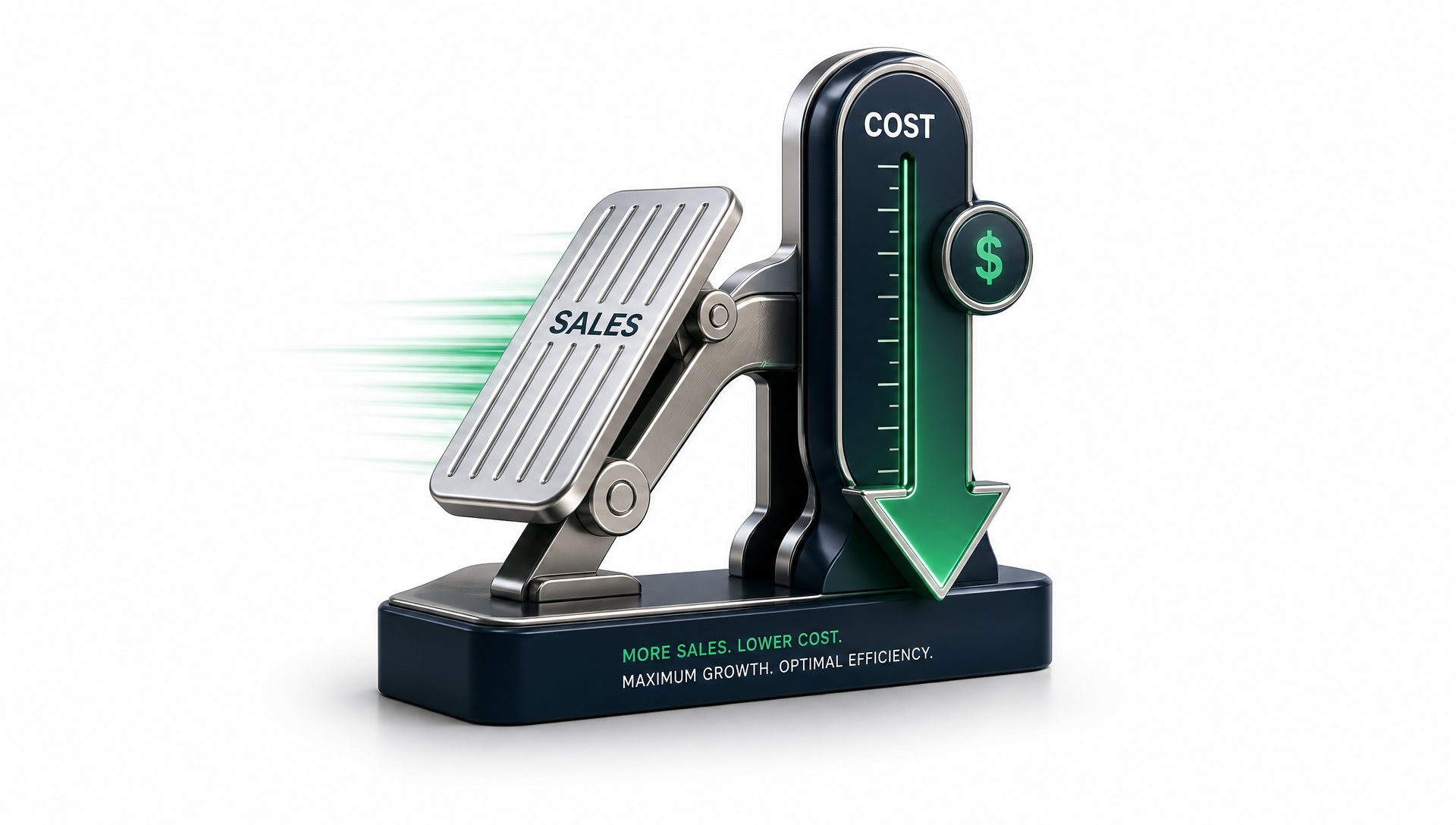
Watching ad spend climb while margins shrink is frustrating, especially when cutting bids risks killing momentum. The good news: you can control Amazon ACOS and still grow, if you understand how Amazon’s ad engine rewards relevance, conversion, and strategic spend instead of blind budget cuts.
This guide breaks down a practical framework for managing Amazon ACOS without gambling your sales velocity. You will learn how to structure campaigns, tune bids, and optimize listings so every dollar works harder while your visibility and growth stay intact.
Understanding Amazon ACOS and Sales Velocity Together
Before you try to lower Amazon ACOS, it helps to understand how Amazon measures performance. ACOS is ad spend divided by sales from ads, and that number is closely tied to your conversion rate and click quality. If you improve conversion and targeting, ACOS drops even when your traffic stays strong.
Sales velocity is the rate at which you generate orders over time, and it influences organic rank. When you push aggressive campaigns to drive more orders, Amazon may reward that Amazon sales velocity with better placements, which can lower dependency on ads over time.
Core Principles to Lower Amazon ACOS Without Killing Sales Velocity
The goal is not to slash budget overnight; it is to reallocate spend into the highest-return segments of your account. To lower Amazon ACOS without killing sales velocity, you must protect converting traffic while removing waste from irrelevant clicks and non-buying searches.
A balanced Amazon PPC strategy focuses on three pillars: tight targeting, data-driven bidding, and high-converting product pages. When these work together, you can support steady order flow, improve efficiency, and reduce Amazon advertising cost in a controlled way.
Structuring Campaigns for Effective Amazon ACOS Optimization
Most accounts carry hidden inefficiencies because of mixed-match campaigns and poor segmentation. Smart Amazon ACOS optimization starts with a clean structure that separates branded, generic, and competitor terms so each group can be managed by its own targets and bids.
Use dedicated campaigns and ad groups to support Amazon Sponsored Products optimization. Group keywords by intent and performance, then assign specific bids and budgets so winners can scale without being dragged down by unproven or weak search terms.
Building a Data-Friendly Amazon PPC Campaign Management Framework
To make clear decisions, you need data that is easy to read and segment. Strong Amazon PPC campaign management starts with naming conventions and campaign splits that let you see which keywords, ASINs, and match types actually drive profit.
Separate automatic and manual campaigns, and mirror winning search terms from auto into well-structured manual campaigns. This structure makes Amazon PPC optimization more precise because you can adjust bids at the exact keyword level instead of guessing with broad changes.
Balancing Prospecting and Profit in Campaign Strategy
While prospecting for new terms will often raise Amazon ACOS for a period, you should protect proven keywords that deliver sustainable returns. A layered Amazon PPC strategy dedicates some budget to testing while giving your best-performing keywords higher priority.
Use performance tiers within manual campaigns so your strongest search terms sit in a separate ad group with more aggressive bids. This tiered approach lets you improve Amazon ROAS on your core set of keywords while holding experimental spend accountable.
Bid and Budget Tactics to Reduce Amazon Advertising Cost Safely
Once structure is in place, the next lever is bidding. Instead of cutting bids across the board, adjust bids based on performance windows and target ACOS ranges. This is how you reduce Amazon advertising cost while preserving profitable impressions.
For converting search terms with acceptable returns, reduce bids in small steps and watch how click volume responds. When clicks remain stable while ACOS trends downward, you have found room to lower Amazon ACOS without disturbing your baseline traffic.
Using Search Term Reports to Trim Wasted Spend
Search term reports are the fastest path to cheaper traffic. Filter for clicks with zero or very few orders and a high Amazon ACOS, then look for patterns in irrelevant or low-intent queries that drain budget.
Add those poor performers as negative keywords at the right level. Over time this tightens targeting for Amazon PPC optimization and redirects budget to search terms that are more likely to convert at sustainable costs.
Listing Optimization: The Hidden Lever in Amazon PPC Optimization
No bid strategy can rescue a weak product page. If shoppers click and then bounce, ACOS rises and rank suffers. Improving images, titles, bullets, and pricing has a direct impact on conversion and therefore on your efforts to lower Amazon ACOS.
Think of your listing as the landing page for every ad. When you refine your Amazon Sponsored Products optimization, align ad copy and imagery with what buyers see on the detail page, so the promise in your ad matches the experience on your listing.
Protecting Sales Velocity While You Lower Amazon ACOS
Dropping bids too quickly can cause a sudden loss of impressions and clicks, which can slow order flow. To lower Amazon ACOS without killing sales velocity, update bids in controlled increments and monitor moving averages instead of reacting to one or two days of data.
During promotional events or seasonally strong periods, tolerate a slightly higher Amazon ACOS to maintain rank and volume. After peak demand softens, tighten bids, review cohorts of keywords, and lock in the efficiency gains without sacrificing important placements.
When to Scale, Hold, or Cut Campaigns
Think of every campaign as a financial asset with its own performance rules. Campaigns that deliver strong revenue at a stable ACOS should be scaled carefully, while weaker ones are held or trimmed. This is how you turn Amazon PPC optimization into a repeatable system instead of guesswork.
Track key signals like click-through rate, conversion rate, and share of spend on your best search terms. When these indicators improve, it is safer to raise bids and allow better campaigns to capture more volume without eroding profitability.
Putting It All Together for Sustainable Growth
Sustainable growth on Amazon comes from disciplined structure, thoughtful bidding, and strong product pages. When you treat Amazon ACOS as a managed metric instead of a fixed outcome, you can build campaigns that support both profitability and long-term rank.
If you want a faster path to implementing these strategies and keeping Amazon ACOS under control while your catalog scales, consider partnering with specialists like Insta Track Pro who live inside the data every day and can help you turn ad spend into predictable growth.
Leave a Reply